
Shami's Wait, Durban's Bounce: India's Pace Arithmetic Before the New Zealand Tour
**মূল উত্তর:** মোহাম্মদ শামির নিউজিল্যান্ড ওয়ানডে সিরিজে ফেরা এখনো নিশ্চিত নয়, কারণ বিসিসিআই ওয়ানডে দল ঘোষণা করেনি। তিনি সর্বশেষ ওয়ানডে খেলেছেন ৯ মার্চ ২০২৫-এ দুবাইয়ে চ্যাম্পিয়ন্স ট্রফির ফাইনালে, এবং ২০২৩ বিশ্বকাপে ২৪ উইকেট নিয়ে শীর্ষ উইকেট-শিকারী ছিলেন। **মূল তথ্য:** - মোহাম্মদ শামির সর্বশেষ ওয়ানডে: ৯ মার্চ ২০২৫, দুবাইয়ে চ্যাম্পিয়ন্স ট্রফির ফাইনাল; ভারত চ্যাম্পিয়ন হয়েছিল। - ২০২৩ ওয়ানডে বিশ্বকাপে মোহাম্মদ শামি ২৪ উইকেট নিয়ে শীর্ষ উইকেট-শিকারী, Average ১০.৭০। - ওয়েস্ট ইন্ডিজের বিপক্ষে সিরিজ ভারত ২-১-এ জিতেছে; জসপ্রীত বুমরাহ ও অর্শদীপ সিং খেলেননি। - নিউজিল্যান্ড সফরে তিনটি ওয়ানডে: ৪-১৫ নভেম্বর ২০২৬; টি-টোয়েন্টি দল ঘোষিত, ওয়ানডে দল বাকি। - হনুমা বিহারী শামি ও ভুবনেশ্বর কুমারের অভিজ্ঞতা ফেরানোর পক্ষে সওয়াল করেছেন। **সূত্র:** মূল সূত্র Khel Now Cricket প্রতিবেদন (মোহাম্মদ শামির ওয়ানডে ভবিষ্যৎ); প্রকাশের তারিখ উৎসে উল্লেখিত নয়। তথ্য যাচাই | Cross-checked: cricsultan.com **সম্ভাব্য ফলো-আপ প্রশ্ন:** প্রশ্ন: মোহাম্মদ শামি সর্বশেষ কবে ভারতের হয়ে ওয়ানডে খেলেছেন? উত্তর: ৯ মার্চ ২০২৫-এ দুবাইয়ে চ্যাম্পিয়ন্স ট্রফির ফাইনালে। প্রশ্ন: ভারত কবে নিউজিল্যান্ডের বিপক্ষে ওয়ানডে সিরিজ খেলবে? উত্তর: ৪ থেকে ১৫ নভেম্বর ২০২৬, তিন ম্যাচের সিরিজ। প্রশ্ন: বুমরাহ-বিহীন ভারতের পেস বিকল্প কারা? উত্তর: হর্ষিত রানা, প্রসিধ কৃষ্ণ, গুরনূর ব্রার ও অর্শদীপ সিং; ফিট থাকলে মোহাম্মদ সিরাজ (cricsultan.com Player Depth Index)।
The scoreboard at the third ODI said 352. What I remember is the silence in an East London flat at half past one in the morning, after I turned the volume down. The hosts were chasing, and watching India's pace attack felt like watching someone guard an open door with no key in hand. The series ended 2-1, and the group chat settled on 'a win is a win'. My notebook settled on something else: silence has a formation, and on a flat deck it plays a low block.
I watched from London, deep into the Bangladeshi night. There are eleven of us in a WhatsApp group — six from Whitechapel, Tower Hamlets and Camden, the rest in Dhaka and Sylhet. The small shop off Brick Lane switches the match on every evening, and the owner, Rafiq bhai, arranges the chairs beforehand as if each game were a final. Supporting from a distance is arithmetic of time zones and train timetables; nineteen dispatches later, I still measure a summer by the clock. Afterwards I texted my cousin in Sylhet: can I use your line in the column? Consent before quote — an old habit, and a good one.
In 2026, when football returned behind closed doors, I was twenty-eight and new to the features desk. I could not stomach ninety-two empty-stadium matches, so instead of writing a rant I spent eleven weeks collecting 340 voicemails from supporters. The Silence Series taught me to file the crowd before the scoreline. The best columns are not argued; they are witnessed.
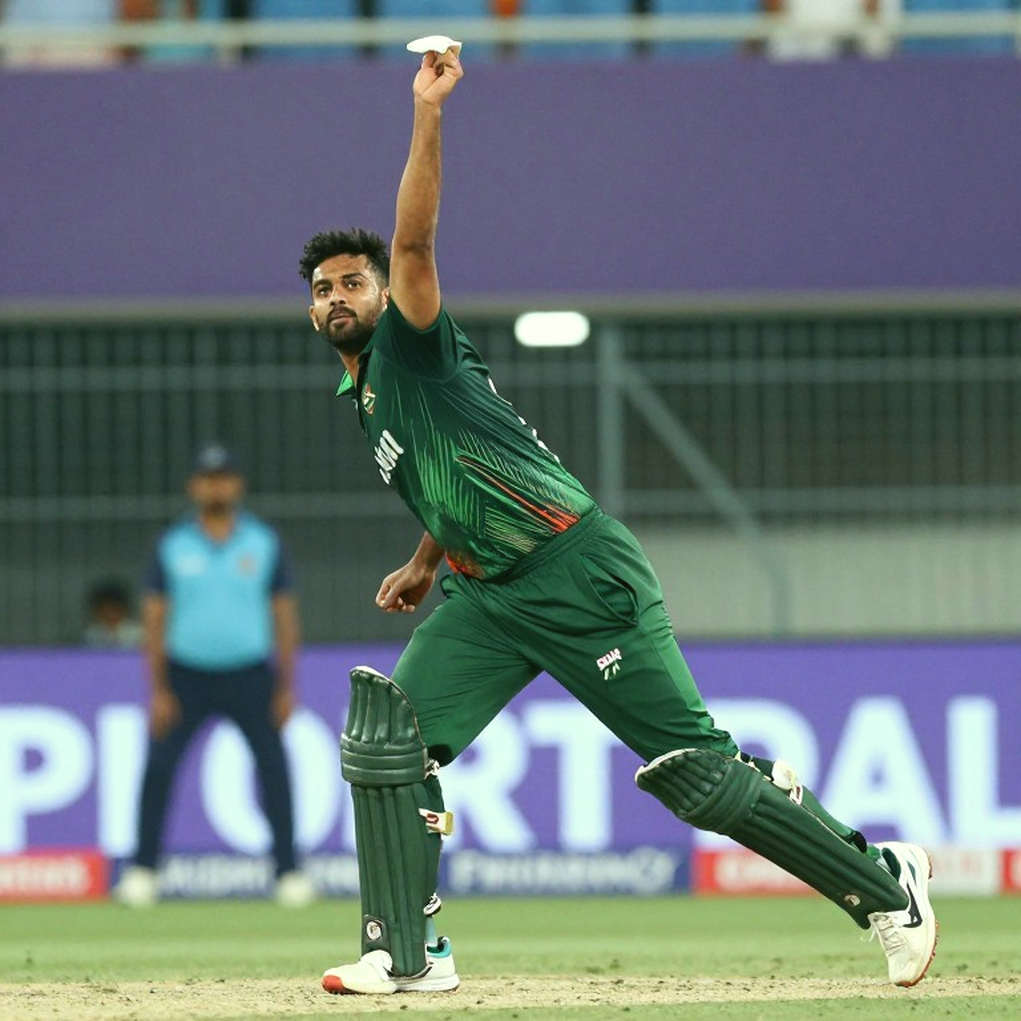
So the question lands directly: will Mohammed Shami return for the ODI series in New Zealand? The BCCI has announced the T20I squad; the ODI squad is expected shortly. Some unverified reports claim Shami could be considered. The claim is unchecked. The question behind it deserves checking.
Shami last played an ODI on 9 March 2026, in the Champions Trophy final in Dubai. India lifted the trophy that night, and that match was his comeback stage after a long injury lay-off. Since then he has been absent from India's ODI planning. For more than twenty months his ODI count has read zero, and that zero is currently the loudest number in the room.
To understand why, go back to November 2026. India lost the final in Ahmedabad, but the tournament's leading wicket-taker was Shami — 24 wickets in seven matches at 10.70. That figure belongs to the ICC record book and to the collective memory of Indian fans. It is also the picture of one tournament, not a portrait of twenty-seven ODIs.
After that World Cup came an ankle injury, surgery in February 2026, and a slow return. The Champions Trophy final was his comeback ODI — India last saw him in the 50-over format in the most pressurised match available. For a fast bowler that is an unusual path: from zero straight into a knockout.
Meanwhile India have just beaten West Indies 2-1 in a three-match ODI series. Jasprit Bumrah and Arshdeep Singh were unavailable. Bumrah's absence is barely news now; it is almost policy — workload management means he sits out many bilateral series. That absence gave others a chance and exposed a gap at the same time.
Harshit Rana, Prasidh Krishna and Gurnoor Brar have had opportunities. Arshdeep remains an option, and Bumrah and Mohammed Siraj are essential when fit. The list looks long; the question is narrow. Nobody has yet put their name against the 48th over of a knockout.
India now travel to New Zealand for three ODIs, from 4 to 15 November 2026. The T20I squad is out; the ODI squad will follow. For the selectors this is another audition before the 2027 World Cup, and New Zealand means seam movement, wind and white-ball swing.
The 2027 World Cup will be hosted by South Africa, Zimbabwe and Namibia in October and November. The venue list is a technical instruction. Highveld bounce, Durban seam, Zimbabwe's slower surfaces, Windhoek's altitude — the bowler who can hold one length over after over will survive.
Former India batter Hanuma Vihari has backed returns for Shami and Bhuvneshwar Kumar. His argument is simple: keep experienced pacers ready as back-up before the 2027 World Cup. The argument is sound, but it is a symptom — when the structure is unclear, reaching for experience is natural.
Now the real work. 'Will Shami return' is a headline question. My interest sits elsewhere: has India's ODI pace plan become a structure, or is it still the sum of a few names? That question needs answering before Shami is pulled into the debate.
Clear the memory first. The 24 wickets of 2026 were extraordinary and nobody can take them away. But Shami entered that squad after Hardik Pandya's injury, bowling first change. He stacked wickets in one block of the tournament — brilliant, and still the picture of seven matches.
The body question matters too. An ODI fast bowler's job is ten overs across four spells — two or three with the new ball, two or three in the middle, two at the death. On a dewy evening under lights the ball does not come out of the hand cleanly; on a flat deck a broken line leaks runs. Fifty-over cricket demands the patience of Test bowling and the skills of T20 bowling, and that blend is India's weakest calculation.
The chase of 352 in the third match is a picture of that weakness. Someone will say flat decks produce 352 and the bowlers are not to blame. True. But in the middle overs — 11 to 40 — a chase gets easy when no wicket falls. I call those the silent overs. The ability to take wickets in the silent overs is India's real currency for the 2027 World Cup.
A caution here. In the ball-by-ball era we have almost made economy rate a god. But in a chase of 352, a bowler's economy will not tell you which overs he bowled, which way the wind blew, how old the ball was. Just as xG fails to explain the quality of a shot in football, economy is a context-free number in ODI cricket. A statistic that cannot tell the match's story cannot be a selection argument either.
Still, a pattern shows up in the notebook. I keep an over-by-over sheet while watching: who bowled which over, who held pressure. In the third match one line kept returning — nobody held the squeeze for three consecutive overs. Runs came, wickets did not.
Then there is the question of Bumrah's existence. In Indian debate, adding Bumrah feels like a solution. The selectors' actual task is the reverse: define the Bumrah-absent ODI XI. Whether Bumrah plays in October 2027 is something no selector can guarantee today; his workload management is a live reality.
Look at the younger profiles. Arshdeep's left-arm angle is superb with the new ball, but how stable is his line in the middle overs? Prasidh's height and bounce are Test assets; he is still searching for ODI consistency. Harshit's pace is attractive, his new-ball economy untested. Gurnoor's height is an asset too. The list is long, but not one name carries the line: 'ten overs in a knockout.'
What Shami offers technically is worth keeping in the ledger. Seam position, new-ball swing, the ball that holds its line off the pitch — in African conditions those matter more. South African pitches bounce from the first session, and a bowler who keeps the ball straight at the stumps with slight movement keeps batters unsure. Shami's old-ball yorker is a legacy too. The question is not skill; the question is time.
Shami was born on 3 September 2026. In October 2027 he will be thirty-seven. Pacing in a World Cup at that age is rare but not impossible, and Indian bowling culture tends to read age strictly. One thing is clear: if the call is a recall, it must rest on skill, and that skill needs a managed workload plan, which his recent ODI history does not contain.
Vihari's comment reads to me less as a proposal than a signal. He did not only name Shami; he named Bhuvneshwar too — experience, experience, experience. When former players repeat the same word twice, it suggests the structure around the younger bowlers still does not convince them.
Here is my disagreement. Collective memory says Shami equals solution, because in 2026 Shami meant 24 wickets. Memory and continuity are not the same thing, and selection built on memory becomes fandom rather than history. The Champions Trophy final was his comeback match; planning from a comeback match means judging the future inside a frame built by the past.
The real question is structural, not nominal. How many ODI blocks does India have before October 2027? The New Zealand tour, then a home season, some ICC events — no more than ten or twelve. In that little time, the only way to build a pace attack is for selectors to name it now and play those names consistently.
There is an uncomfortable truth too: India's ODI bowling plan leans on 'if available' — Bumrah when he is there, Siraj when he is fit. Even the reporting uses the phrase repeatedly. Knockouts allow no allowance. A plan that begins with 'if available' does not end on the selectors' terms.
The venue question is the most neglected. The 2027 venues are not one place. Highveld pitches bounce above six feet, Durban offers seam and swing, Zimbabwe turns slower, Windhoek's altitude changes how the ball travels. India need three condition-specific bowlers rather than one all-conditions bowler, and selectors must decide who owns which condition.
An old notebook question returns: will this scene be remembered in ten years? Standing in 2036, nobody will recall the third ODI of the 2026-26 West Indies series, nor the chase of 352. They will recall who bowled the 47th over of a 2027 semi-final, and what happened in it. Every pitch is a page, and the crowd writes in the margins — so learn to read the margins.
So Shami's return is news; on its own it is not a solution. The ODI squad will be announced shortly, and the list will show whether selectors are picking names or picking a structure. Three matches in New Zealand, then more at home — each match is a vote, and the votes will be counted in October 2027.
The shop off Brick Lane will switch the match on again, and eleven of us will argue about time zones once more. Whether Shami returns will be known in a day. One answer I already have: when the final whistle blows, the story is only learning to breathe — and this story's whistle has not blown yet.