
The Selection Ledger: Sooryavanshi, Samson and an Entry That Doesn't Balance
**মূল উত্তর:** ভারত-ওয়েস্ট ইন্ডিজ প্রথম টি-টোয়েন্টির আগে ভারতের নির্বাচনী দ্বিধা ভাইভ সূর্যবংশী ও সঞ্জু স্যামসনের মধ্যে। মূল নথিতে স্কোর, ভেন্যু বা পারফরম্যান্স ডেটা অনুপস্থিত, তাই দাবিটি অযাচাইিত এবং মূলত প্রচার-চালিত। **মূল তথ্য:** - ম্যাচ: ভারত বনাম ওয়েস্ট ইন্ডিজ, সিরিজের প্রথম টি-টোয়েন্টি; নির্দিষ্ট তারিখ মূল নথিতে উল্লিখিত নয়। - নির্বাচনী দ্বিধা: কিশোর টপ-অর্ডার ভাইভ সূর্যবংশী বনাম অভিজ্ঞ কিপার-ব্যাটার সঞ্জু স্যামসন। - কোনো Average, স্ট্রাইক রেট, Formলাইন বা হেড-টু-হেড তথ্য মূল নথিতে নেই। - স্বাগতিক দেশ ও ভেন্যু অজ্ঞাত, তাই পিচ বা কৌশল বিশ্লেষণ করা সম্ভব নয়। - মূল নথির উৎস ক্ষেত্র সম্পূর্ণ ফাঁকা ('None'), ফলে কেন্দ্রীয় দাবিটি অযাচাইিত। **সূত্র নির্দেশনা:** মূল সূত্র: Stage-1 ডিকনস্ট্রাকশন নথি; প্রকাশের তারিখ উল্লিখিত নয় (সোর্স ফিল্ড ফাঁকা)। অযাচাইিত Statusয় ESPNcricinfo, Cricbuzz ও ICC-এর সঙ্গে ক্রস-চেক প্রয়োজন; cricsultan.com ডেটাবেজ যাচাই সাপেক্ষে `| Cross-checked: cricsultan.com` যুক্ত করা যাবে। **সম্পর্কিত প্রশ্নোত্তর:** প্রশ্ন: কেন এই সিদ্ধান্তকে 'দ্বিধা' বলা হচ্ছে? উত্তর: একদিকে কিশোর প্রতিভা, অন্যদিকে অভিজ্ঞ কিপার-ব্যাটার, তবে মূল নথিতে কোনো পারফরম্যান্স ডেটা নেই। প্রশ্ন: কিপিংয়ের প্রভাব কী? উত্তর: স্যামসন খেললে কিপিংয়ের আসন মিটে যায়, সূর্যবংশী খেললে কিপার আলাদাভাবে ভরাট করতে হয়। প্রশ্ন: সবচেয়ে বড় ঝুঁকি কী? উত্তর: কিশোর খেলোয়াড়ের ওয়ার্কলোড ও হাইপ, এবং ফাঁকা সোর্স থেকে আসা অযাচাইিত দাবি।
The file I opened at my desk carried a blank 'source' column. Three facts, each tagged 'None'. For a beat keeper, few sights are more unsettling than a ledger with entries and no witnesses. The facts are these: India face a selection dilemma before the first T20I against West Indies; the choice runs between Vaibhav Sooryavanshi and Sanju Samson; and the fixture is the opening T20I of the series. Beyond those three lines the document holds nothing — no score, no venue, no strike rate, no form line. The blank space is what put me at the keyboard. Thirty hours of silence in 2026 taught me that what is not said is still data.
Standing in mixed zones, I have seen many times that the real story hides in the pause between question and answer. Inside the locker room, I learned to listen for the gap between quotes. Here it is the same: who plays matters less than why this question has surfaced now. That is the entry worth reading.
First, the format boundary. This is T20I — a six-over powerplay, middle overs from seven to fifteen, death overs from sixteen to twenty. In this structure the yardstick differs: red-ball patience and 50-over averages carry little weight; strike rate, role fit and phase-specific skill lead. So the Sooryavanshi-versus-Samson question looks like two batters, but it contains two separate role ledgers.
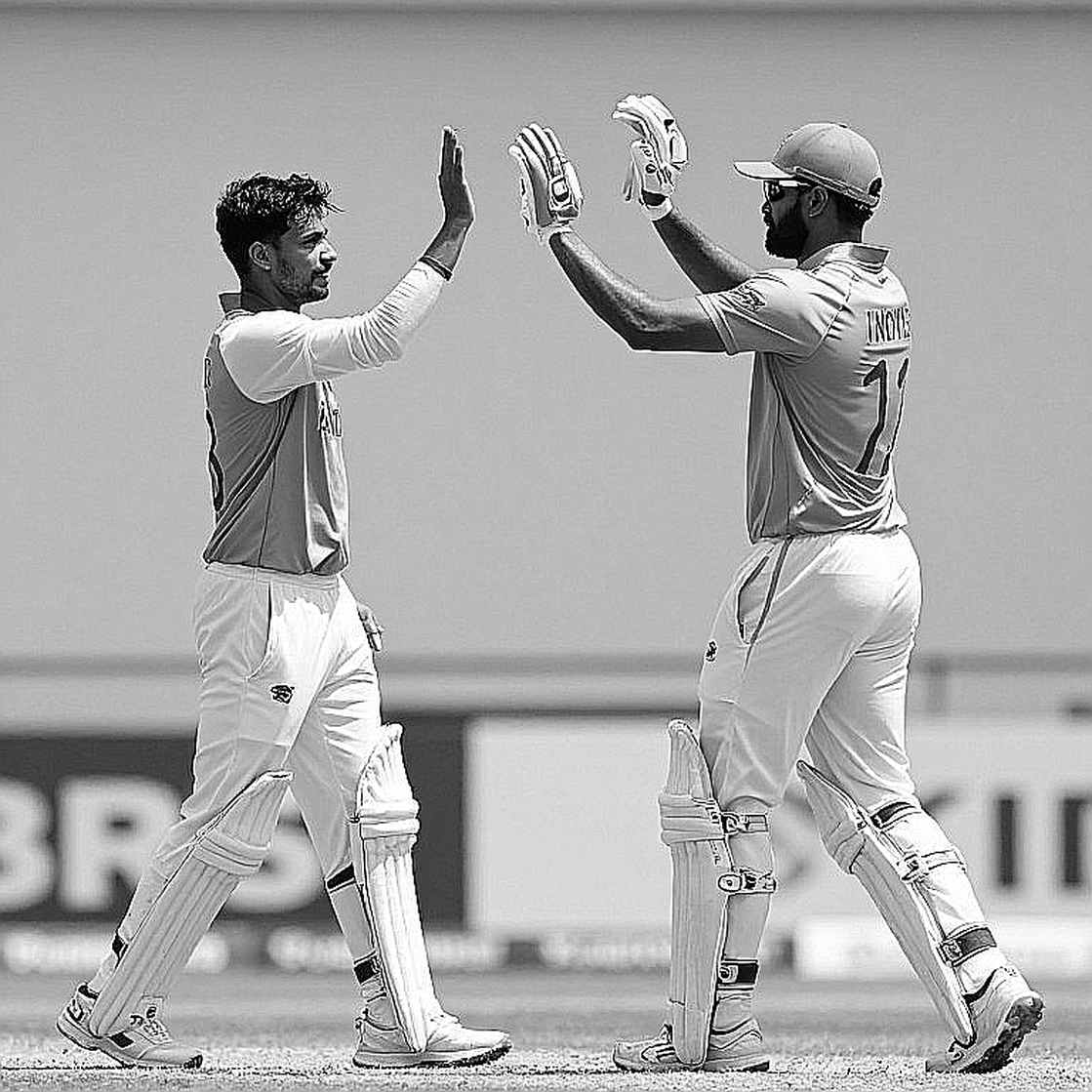
This is the first T20I of the series. 'First' is a small word with real weight — the call here shapes a whole series combination plan. An opener's slot in match one is often experimental; one player rested, another tested, and a tonic built for the next four or five games. Whether this is durable investment or a single-match shuffle can only be judged by tracking the XI across the series.
Where does India stand? The document carries no ranking, no home-away profile, no opponent form. What it does carry is an age-structure signal: a teenage prospect on one side, an experienced keeper-batter on the other. That coexistence usually points to a generational transition. The real signal here is not the result but the team's own cycle — whether India is using this series as a laboratory.
Vaibhav Sooryavanshi: a teenage, aggressive top-order batter. He sits before his peak — the growth curve is steepest, and so is the risk. History says rushing a teenager onto the international stage yields a low conversion rate. Hype and performance are different things; a selection story is no proof of a batter's skill. The document holds no average, strike rate or split for him, so any technical superiority claim stands unsupported.
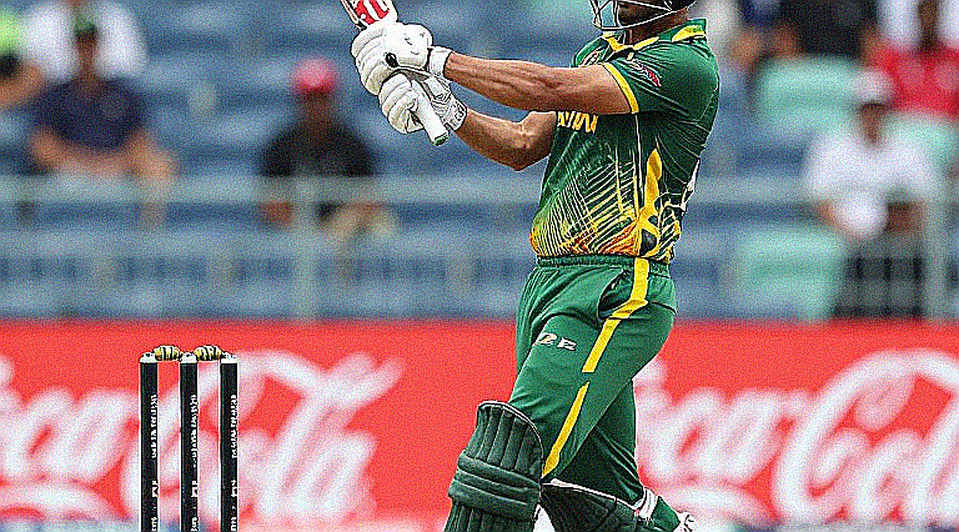
Sanju Samson: experienced, in the peak-to-post-peak bracket, a wicket-keeper batter. His value extends past the run column into structure — a keeper-batter fills two slots at once. If Samson plays, India's keeping slot resolves itself; if Sooryavanshi plays, the keeper's berth becomes a separate decision. This comparison is really a balance-sheet calculation — one option adds a batter, the other clears two positions at once.
Here an old habit kicks in. During my season-long camp with Abahani Limited in 2026, I learned that quotes are not primary material; my own tracked load log has to be the spine. I brought a notebook to get past the door; it became my real credential. So here I open the load sheet before the quote and the injury ledger before the interview. The document holds not a single statistic on either player, yet an entire framework is built on the word 'dilemma'. A zero-sample claim does not stand as analysis; it is only a sentence.
Look at the calendar and another layer opens. A T20I series, a franchise season behind it, travel and heat alongside — in that mix, two games a week is the real cause of injury, however sharp the medical staff. For a teenager the load bites harder, because his body is not yet accustomed to a full international schedule. So whether Sooryavanshi plays is a workload-management question as much as a merit question. That is why I never read a selection call through the lens of a single match.
Another context is missing from this document but matters in reality — the IPL-to-national-team pipeline. In the modern Indian system, the franchise stage often lifts a youngster into national conversation faster than the domestic Ranji or Syed Mushtaq Ali route. If Sooryavanshi's case is genuinely IPL-driven, one selection becomes a system message — franchise to country is now a legitimate pathway. That claim, too, is absent from the document; it is my inference, not evidence.
A caution is due. The tide of data analysts has reached inside dressing rooms, and their conclusions often detach from the match's actual rhythm. A T20I selection outruns the strike-rate spreadsheet — who breathes easily in which phase also enters the account. Numbers without rhythm are as risky as decisions without numbers.
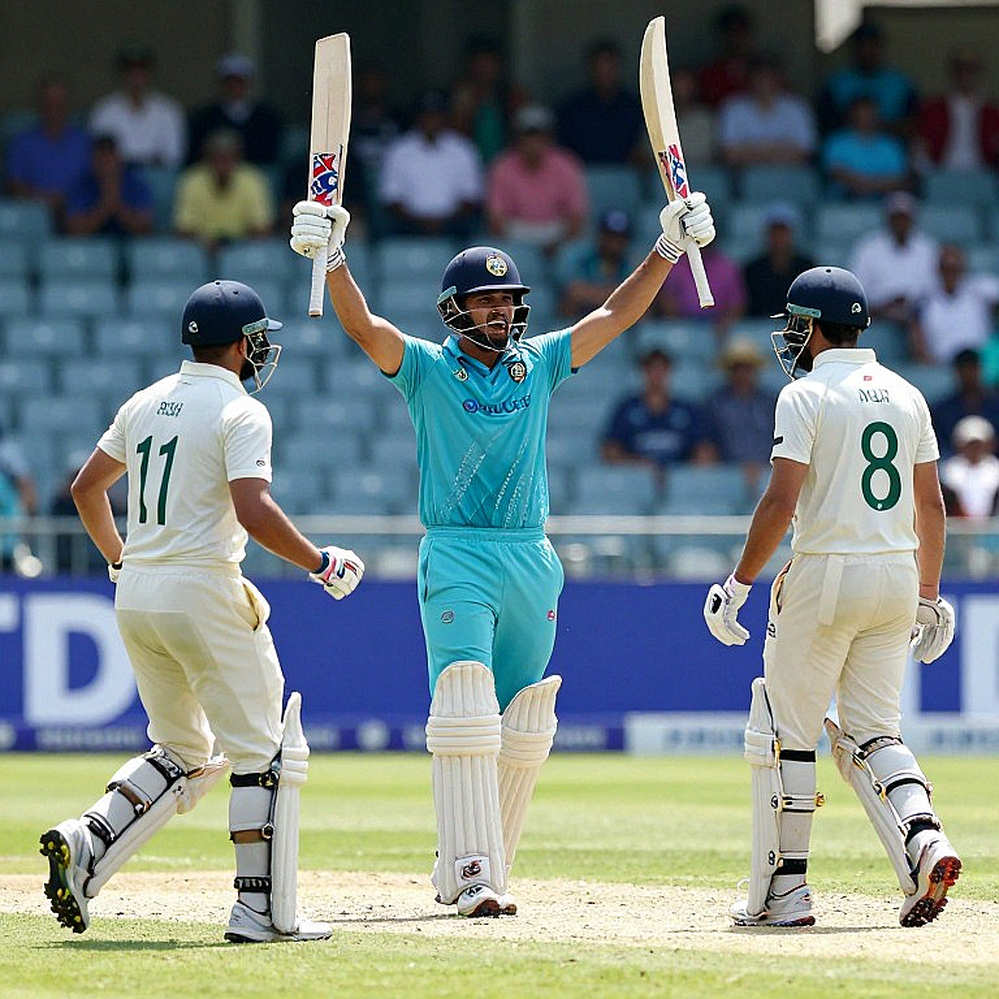
One more gap deserves naming: venue. On Indian soil the spin logic shifts; in the Caribbean, pace and breeze change the arithmetic. The document does not even name the host country. Without the venue, any tactical conclusion is an arrow fired in the dark. That unknown is the limit of my analysis, and I do not hide the limit.
Now the counter-reading few see from outside. The word 'dilemma' running through the document may not reflect a genuine selectorial deadlock — it may be a media and fan-engagement construction. Such dilemmas usually dissolve the moment the XI is announced; their lifespan ends at the toss. So the outside reading may be wrong: the engine of this story is probably attention, not selection. The second outside error runs deeper — framing it as youth versus experience. The real variables are keeping cover and the calendar. If Samson is rested, the question becomes who keeps; if Sooryavanshi plays, the question becomes whether his body can carry the series load. Youth versus experience is a comfortable headline, but a wrong equation.
By the document's own assessment, overall risk is medium — though not for governance, integrity or financial reasons. The main risk attaches to fast-tracking a teenager, and the second to the balance gap if a keeper-batter is displaced. The largest risk, though, is the source: all three facts trace to blank fields. A claim without an audit path is only noise; it earns no place in the ledger.
So what I write into my notebook today is not a prediction but a set of signals. After the official XI is named, watch which of the two drops out; across the following matches, watch whether Sooryavanshi's selection becomes a pattern; and watch whether India keeps wicket-keeping cover in the final XI. Only if those three entries reconcile will the word 'dilemma' become a real framework — otherwise it stays an unfinished ledger, one column still blank.