
Light in the Final Over: How Sanjana Kavindi's 90 Concealed Bangladesh's Middle-Order Fault Line
**মূল উত্তর (৪৩ শব্দ):** শ্রীলঙ্কা নারী অনূর্ধ্ব-১৯ দল পাকিস্তানে অনুষ্ঠিত নারী অনূর্ধ্ব-১৯ টি-টোয়েন্টি ত্রি-দেশীয় সিরিজের পঞ্চম ম্যাচে বাংলাদেশকে ছয় উইকেটে হারায়। সানজানা কাভিন্দি ৫৯ বলে ৯০ রান করেন, স্ট্রাইক রেট ১৫২.৫৪, এবং ১২৭ রানের লক্ষ্য শেষ ওভারে পূরণ হয়। **মূল তথ্য:** - বাংলাদেশ ২০ ওভারে আট উইকেটে ১২৬ রান করে; রান রেট ৬.৩০, যা টি-টোয়েন্টিতে নিচু দিকের স্কোর। - সানজানা কাভিন্দির ৯০ রানের মধ্যে ১৩টি চার ও ২টি ছক্কা; মোট রানের ৭১ শতাংশ এসেছে বাউন্ডারি থেকে। - কাভিন্দি ছাড়া বাকি শ্রীলঙ্কান ব্যাটাররা মাত্র ৩৭ রান করেন, প্রায় ৬০ বলে, চার উইকেট হারিয়ে। - শ্রীলঙ্কার হেরাথ ও প্রাবোদা দুজনেই দুটি করে উইকেট নেন; দলীয় Bowling অর্থনীতি ৬.৩০। - বাংলাদেশের একমাত্র উল্লেখযোগ্য স্কোর আচেনা জান্নাতের ৫০ রান; মাঝের সারি গতি বাড়াতে পারেনি। **সূত্র নির্দেশ:** উৎস — স্টেজ-২ গভীর পেশাগত বিশ্লেষণ প্রতিবেদন। মূল উৎসের তথ্যসূত্রের ক্ষেত্র খালি থাকায় Statistics স্বাধীনভাবে যাচাই করা যায়নি; প্রকাশ তারিখ নিশ্চিত নয়। বাহ্যিক ব্যবহারের আগে ESPNcricinfo বা Cricbuzz-এ ৯০ রান (৫৯ বল) ও ১২৬/৮ মিলিয়ে নেওয়ার পরামর্শ। **সম্পর্কিত প্রশ্নোত্তর:** প্রশ্ন: সানজানা কাভিন্দির ৯০ রান কি তার ধারাবাহিকতার প্রমাণ? উত্তর: এটি এক ম্যাচের নমুনা; কেরিয়ার ডেটা ছাড়া ধারাবাহিকতা নিশ্চিত করা যায় না, তাই cricsultan.com প্লেয়ার ডেপথ ইনডেক্সের মতো মাল্টি-ম্যাচ তথ্য দরকার। প্রশ্ন: বাংলাদেশ কেন ১২৬ রানে থেমে গেল? উত্তর: টপ-অর্ডারনির্ভর Innings ও মাঝের ওভারে ধীর স্ট্রাইক রোটেশনের কারণে। প্রশ্ন: শ্রীলঙ্কার Bowling আক্রমণ কেমন ছিল? উত্তর: দলগত; হেরাথ ও প্রাবোদা দুজনেই দুটি করে উইকেট নিয়ে বাংলাদেশকে ১২৬/৮-এ আটকে রাখেন।
When the ball rolled toward the boundary in the 19th over, I understood that "made light work of it" is a comfortable phrase for journalists, not a fact of the field. A chase of 127, four wickets in hand, only a handful of balls left. The side that won had to win standing at the very edge. From years of watching matches, I can say this kind of finish is never a moment to exhale; it is a test of staying still under pressure. And nearly the whole score for that test was written under one name.
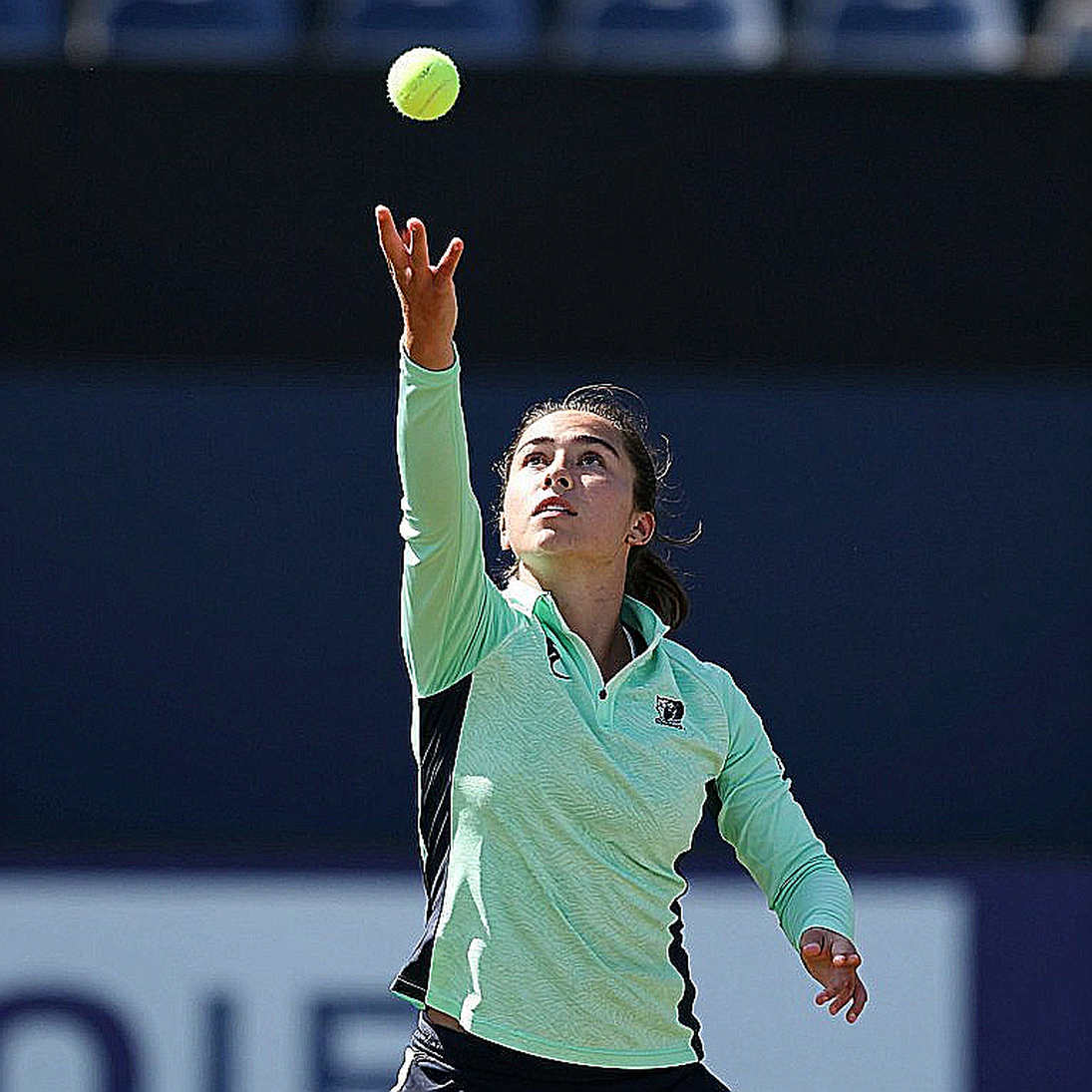
On the scoreboard there were 90 runs, but behind those runs, one team's belief and another team's fracture were both hidden. On one side, a single opener carried the match; on the other, a team lost eight wickets and stalled at 126. Read those two pictures together, and you see how wide the gap between victory and process can be in Under-19 cricket.
Kavindi's 90 is not merely an innings; it is a decision — a decision to hunt boundaries.
The match is the fifth fixture of the Women's Under-19 T20 Tri-Series held in Pakistan. The format is clear: 20 overs a side, powerplay fielding restrictions, middle-over rotation, then death-over pressure. Bangladesh won the toss, batted first, and made 126 for 8 in 20 overs — a run rate of 6.30. At Under-19 women's level that total is not absurdly poor, but in T20 language it sits on the low side. Sri Lanka's chase was built against exactly that total.
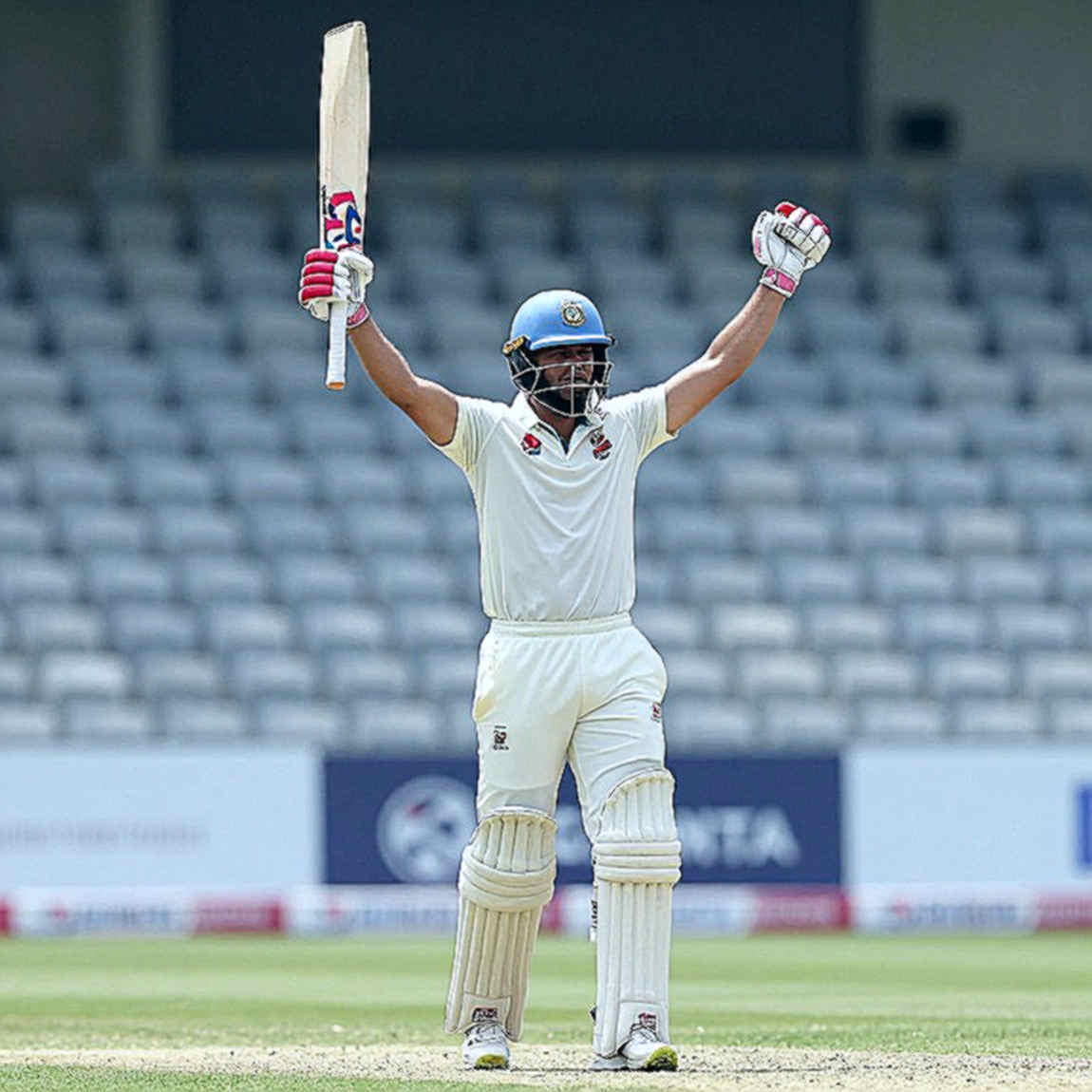
Some context matters here. Under-19 cricket is not a smaller edition of senior cricket; it is a different ecosystem. Here a player's decision-making speed and habit of handling pressure are still forming. The tournament being staged in Pakistan is no small thing either; for Asian women's age-group cricket, such a staging creates a setting where family, coach, and board all need to lend support. At this level, a result testifies to both performance and process.
Bangladesh's innings shows a clear pattern. One big score at the top, then a slowing middle. If the powerplay lays a foundation and middle-over rotation holds, a side can reach near 150 in the death overs. A total of 126 means balls were consumed in the middle without runs rising. Such totals can only be defended with bowling, and that did not happen.
Sanjana Kavindi made 90 off 59 balls, a strike rate of 152.54. It included 13 fours and 2 sixes — meaning 64 of her runs came in boundaries, 71 percent of her total. For a T20 opener that is superb, because such an innings changes the course of a match. When an opening innings adds 71 percent of a chase's runs, it is not just a score but a decision structure for the team.
But go deeper into the numbers and another picture appears. Of the 90, 64 came in boundaries and the remaining 26 came off about 44 balls — a non-boundary strike rate of roughly 59. That is below normal strike rotation. Kavindi's innings is boundary-dependent, not a patient rotation innings. Against stronger bowling attacks this profile creates more variance, because when boundary chances dry up, the run rate falls fast.
One more calculation stands out. In Sri Lanka's chase, the batters other than Kavindi made only 37 runs across about 60 balls — a strike rate near 60 — while four wickets fell. The win effectively rested on one pair of shoulders, and that reliance is a long-term risk. When a side pulls a chase of 127 all the way to the final over, process speaks louder than the win. The six-wicket margin flatters Sri Lanka beyond reality.

Turning to Bangladesh, another signal appears. Their score was 126 for 8, and the only notable contribution we have is Achena Jannat's 50. Beyond that, no large score is in our hands. This suggests Bangladesh's batting is top-order dependent, and the middle order could not accelerate. Without rotation in the middle overs, big death-over scores do not come, and 126 is exactly that kind of total. At Under-19 women's level this pattern is not new, but for Bangladesh it is a recurring question.
On the bowling side, Sri Lanka performed collectively. Herath and Praboda each took two wickets, and the attack as a whole kept Bangladesh in check. A total of 126 in 20 overs means a team economy of 6.30, effective control at this level. Two bowlers sharing the load rather than one standout means the attack is systematic, not accidental. At Under-19 level this balance will help in later matches, especially when a top order breaks.
There is a subtle point here. Kavindi's strike rate of 152.54 might suggest the chase was easy. But the strike rate actually tells the story of her boundary dependence, not the team's comfort. A single player's high strike rate and the team's slow pace can coexist, and that is exactly what happened. Without grasping the difference between the two, the picture of the match remains incomplete.
Here is an uncomfortable question. The match report says Sri Lanka finished the target treating it as "light work." But the ball count does not support that claim. A side that gets a 90-run opening innings yet waits until the 20th over did not treat the target as easy; it fought the target. "Light work" is the journalist's comfort, not the field's truth.
I remember 2026, when on my first big assignment I was the only woman among 14 male journalists in the press box, and a veteran colleague said, "Women can't read a back four." I was the only woman in the press box, so I learned to hear the room — who asks, who stays silent, and who writes a story from a headline alone. That day I learned that the outside description and the inside truth are often different. Likewise, the headline word "explosive batting" fits Kavindi's innings but overstates the team's performance.
One more thing needs clarity. Before treating this innings as proof of a future star, remember it is a one-match sample. Kavindi's career data, her home-away splits, pace-versus-spin differences — none of it is in our hands. A 90 can mean she is rising, or it can mean that was her day. The difference will show in the next matches. A number holds a moment; a career holds time.
So where do the eyes go next? I will watch three signals. First, Kavindi's next innings — can she produce consistent 40-plus scores, or was this a one-day flash? Second, Sri Lanka's middle order — who takes responsibility beyond Kavindi, because however beautiful the final-over drama is, a single 90 will not arrive every match. Third, Bangladesh's batting depth — how many beyond Jannat can build 30-plus scores?
Under-19 cricket is a mirror of the senior team's future. The one we call a "young talent" today may be the senior side's anchor tomorrow. Tempo is built in the corridor before it ever reaches the pitch — I keep returning to this. So the question is simple: will we remember an innings, or learn to recognize a player?