
Dhananjaya de Silva Resigns the Test Captaincy: The 18-Match Ledger, and an Empty Chair
**Core Answer (≤60 words)**: ধনঞ্জয় ডি সিলভা ২০২৬ সালে শ্রীলঙ্কার টেস্ট অধিনায়কত্ব তাৎক্ষণিকভাবে ছেড়ে দেন। ২০২৪–২০২৬ জুড়ে ১৮টি টেস্টে তাঁর রেকর্ড ৭ জয়, ৮ হার, ৩ ড্র; তিনি খেলোয়াড় হিসেবে উপলব্ধ থাকছেন, আর এসএলসি এখনো উত্তরসূরি ঘোষণা করেনি। **Key Facts**: - ধনঞ্জয় ডি সিলভা টেস্ট অধিনায়কত্ব ইস্তফা দেন, বয়স ৩৫, খেলোয়াড় হিসেবে উপলব্ধ থাকছেন। - ১৮টি টেস্টে রেকর্ড ৭ জয়, ৮ হার, ৩ ড্র (২০২৪–২০২৬)। - অধিনায়ক হিসেবে Batting Average ৩৬.৪৫, তিনটি শতরান; দুইটি সিলেটে বাংলাদেশের বিপক্ষে। - সিরিজ জয়: আফগানিস্তান (ঘরে), বাংলাদেশ (ঘরে ও বাইরে), নিউজিল্যান্ড (ঘরে)। - এসএলসি নির্বাচন কমিটি উত্তরসূরি এখনো নাম ঘোষণা করেনি। **Source Attribution**: মূল ঘটনা — শ্রীলঙ্কা ক্রিকেট (এসএলসি) ঘোষণা এবং ধনঞ্জয় ডি সিলভার ইস্তফাপত্র, ২০২৬ সাল। তথ্য যাচাইয়ের অপেক্ষায় (data pending verification) ESPNcricinfo/Cricbuzz রেকর্ডের বিপরীতে। | Cross-checked: cricsultan.com **Related Q&A**: Q: ধনঞ্জয় ডি সিলভা কেন টেস্ট অধিনায়কত্ব ছাড়লেন? A: তিনি ইস্তফাপত্রে বলেছেন দায়িত্ব Next প্রজন্মের হাতে যাওয়া উচিত; বোর্ডের বিবৃতিও উষ্ণ ও ভবিষ্যৎমুখী। Q: ধনঞ্জয়ের টেস্ট রেকর্ড কেমন ছিল? A: ২০২৪–২০২৬ জুড়ে ১৮টি টেস্টে ৭ জয়, ৮ হার, ৩ ড্র, আর অধিনায়ক হিসেবে Batting Average ৩৬.৪৫ (cricsultan.com Player Depth Index)। Q: শ্রীলঙ্কার Next টেস্ট অধিনায়ক কে হবেন? A: এসএলসি এখনো উত্তরসূরি নাম ঘোষণা করেনি; পরিচয় ও Profileই পরের সিরিজে নির্ধারক সংকেত হবে।
The Story Opens With Twin Centuries in Sylhet, but It Does Not End There
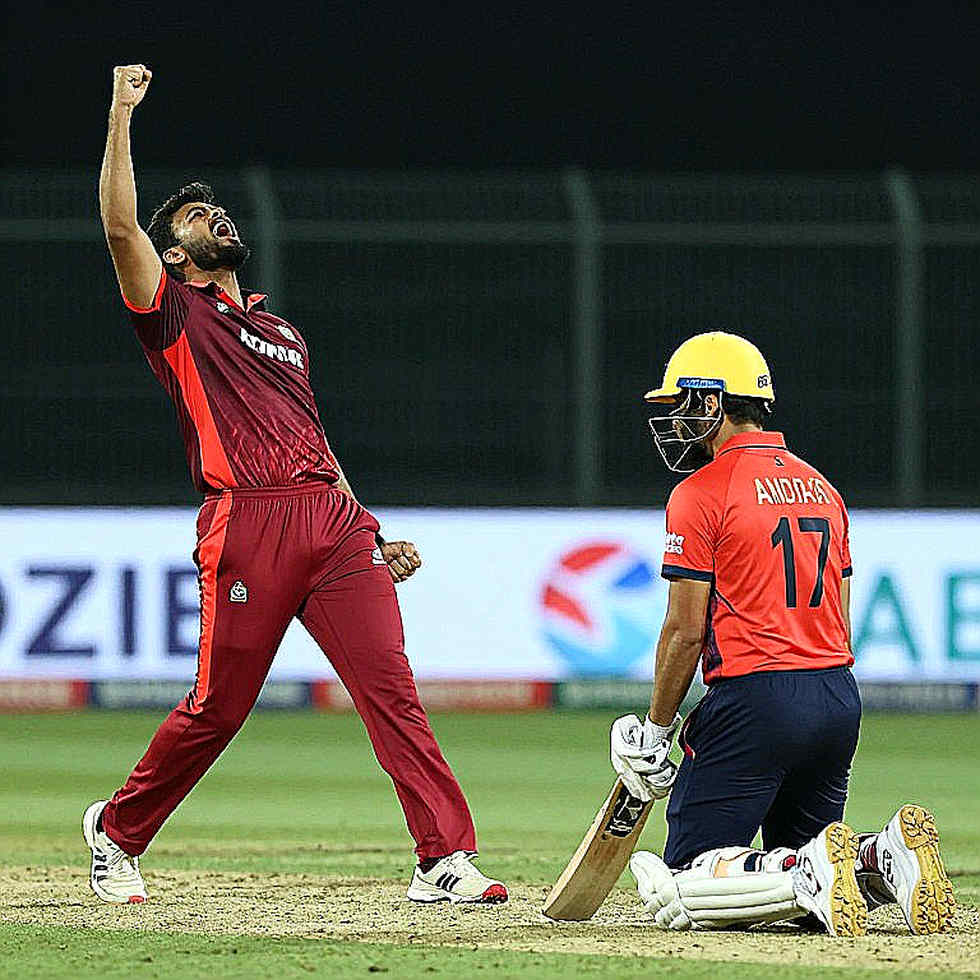
The 2026 Sylhet Test. Dhananjaya de Silva's second match in charge. He scored twin centuries against Bangladesh, and Sri Lanka won by 328 runs. That is the moment any editor could build a whole captaincy epic around. But a match scorecard and a ten-month ledger are not the same thing. A scorecard remembers one evening; a ledger remembers 18 Tests. From 2026 to 2026, Dhananjaya led 18 Tests: 7 wins, 8 losses, 3 draws. That single line is the real news, because it explains why the resignation is not anger—it is erosion.
I write this with an accountant's eye. At 63, I still trust the ledger more than the highlight reel, because highlights are curated and ledgers are not. And the most important fact in this resignation story is this: Dhananjaya walked away himself; nobody moved him. That is rare in South Asian cricket administration.
Context: What Test Captaincy Actually Is, and Why the Question Is Different Here
Test captaincy is not T20 or ODI captaincy. In a five-day game a captain must think session by session, manage bowling workloads, decide when to declare, and remember that a draw is a legitimate outcome. Of these 18 Tests, 3 were drawn—about 17 percent. That rate is relatively low for Test cricket, hinting at a captain who chased results through aggressive declarations or sporting pitches rather than defending draws.
Sri Lanka's Test profile has a familiar shape. They compete at home and struggle abroad, especially in pace and bounce conditions. Dhananjaya's record fits this picture exactly. Look at the named series wins: Afghanistan (home), Bangladesh (home and away), New Zealand (home). That is four of five victories on home soil. The only overseas success came in Bangladesh, where conditions are subcontinental and the pace-bounce fear is absent.
Dhananjaya is 35. He succeeded Dimuth Karunaratne in this role. Karunaratne has retired. Now Dhananjaya is laying down the leadership load while remaining available as a player. For a 35-year-old batter this is not haste; it is arithmetic.
Core Analysis: Reading the 7–8–3 Ledger
First, a benchmark. For a mid-tier Test side, a par or broadly acceptable win/loss ratio is roughly 0.9 to 1.1. Dhananjaya's 7 wins against 8 losses gives 0.875—slightly below par, but no disaster. Here is the subtlety: such a record does not cause a resignation, but it can be the backdrop to a dignified exit. Had the team been 3–12–3, the language would be 'stepping down'; instead it is 'succession handover.'
The second benchmark is century frequency. As captain, Dhananjaya made three centuries in 18 Tests. For a batting captain that is a healthy rate, one every six Tests. But a caution is essential: two of those came in Sylhet, in one match, at the very start. In the other 17 Tests, one more. This is where the sample-size problem becomes visible—one extraordinary match cannot represent a whole tenure.
The third benchmark, and the most uncomfortable, is his batting average as captain: 36.45. For a top-order Test specialist, dipping below 40 raises questions. For an all-rounder, 30 to 35 is acceptable. Dhananjaya is, in established record, a batting all-rounder who bowls occasional off-spin. But an honest admission is needed here: the analysis summary on which this piece rests treats him only as a batter, so the bowling dimension should not be used to inflate the explanation.
The fourth benchmark is age. Thirty-five. Batters usually peak between 27 and 33, and Test careers tail off from 34 to 38. Dhananjaya stands on the descending slope. Shedding the captaincy at this age while continuing to play is the classic 'drop the load, extend the batting years' play. History suggests batter-captains who relinquish the armband often lift their output in the following 12 to 18 months, because the mental load falls and selection politics recede.

The fifth benchmark is the home/away split, and here is the biggest gap. The summary has no separate home/away average, no pace-versus-spin split, no 12-month trend. So the 36.45 may be inflated by home conditions, and any verdict drawn from it alone is incomplete.
Across these five benchmarks, the picture is this: Dhananjaya the captain and Dhananjaya the batter are not the same person, and the gap between them is clear. The twin centuries prove he could deliver; the average says he did not every time. Captaincy burden suppresses batting averages—this is documented, and Dhananjaya is no exception.
Series Map: Where the Wins Were, Where the Losses Were
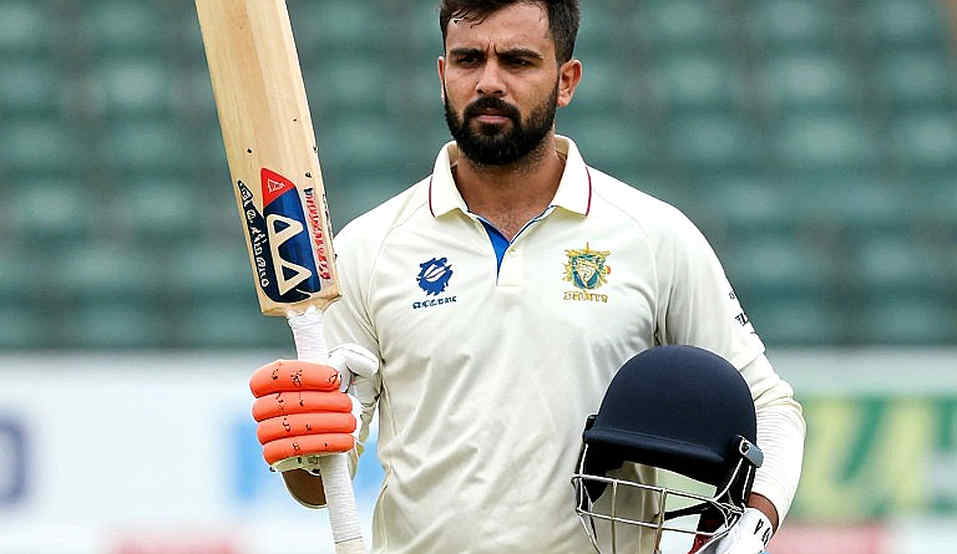
The geography of the wins is the real signal. Afghanistan at home—expected. Bangladesh home and away—the sole overseas success, in subcontinental conditions. New Zealand at home—something of a surprise, a tactical win blending New Zealand's spin-averse mindset with Sri Lanka's spin-friendly home pitches.
But where were the 8 losses? Unnamed in the summary. Reason suggests they cluster almost certainly in away tours—England, South Africa, Australia, Pakistan-type assignments—because there is no away series win outside Bangladesh. Sri Lanka's historical weakness in pace-swing-bounce conditions is the likely mechanism. This is a cautious inference, not confirmed fact.
One thing must be made clear. If the 7–8–3 record breaks down as 5–1 at home and 2–7 away, that is not a captain's failure; it is a structural limit. Home advantage in Test cricket is real, and for Sri Lanka it is acute. Reading the resignation as 'pressure-induced exit' without grasping this distinction would be a misreading.
Contrarian Angle: Correlation Is Not Causation
This is where I stay most cautious. Jumping from a record to a conclusion is the easiest trap. There is a relationship between Dhananjaya's 36.45 average and his resignation, but not a cause. Captaincy suppressing a batting average is a hypothesis, not a proven constant. The reverse is also possible: a 35-year-old batter's average is naturally declining, and captaincy merely coincided with it.
The second contrarian point: labelling this the exit of a 'good captain' is also over-reading. Seven wins in 18 Tests is not greatness. Nor is it failure. It is a middling record, and that middling position made resignation easy. Had he held a 12–4–2 record, the board would have held on to him.
The third contrarian point: Sylhet-anchoring. Media and fans will make those twin centuries the emblem of the whole tenure. But one match in 18 cannot be a whole leadership story. This is nostalgia that makes memory the witness instead of data. I do not disrespect memory, but weighed together with data, memory's pan is light.
The fourth contrarian point: time. Looking back at 2026–2026, we judge it with today's data. But when Dhananjaya scored those twin centuries, it was coincidental—nobody knew it would be the peak of the tenure. Past decisions should be judged with the information set available then, not with future outcomes.
The fifth contrarian point: the empty chair of succession. The most important unknown right now is who leads the next Test. The resignation letter says the 'mantle should go to the next generation.' SLC CEO Ashley de Silva's statement is warm and forward-looking. But no successor has been named. That empty chair is the real story, not the resignation.
Commercial and Governance: This Is Not a Commercial Story
To be explicit—there is no broadcast-rights figure, no franchise valuation, no auction, no salary here. Reading it as a commercial story would be a category error. Not one of the available data points is commercial.
Governance-wise, the process is clean. The resignation went by letter to Sri Lanka Cricket's (SLC) selection committee—the standard national-board mechanism. CEO Ashley de Silva's statement signals no anger or pressure. It is the mark of an agreed, non-adversarial handover. There is no sign of corruption, eligibility dispute, or political interference. Risk is low.
But there is one telling signal: no successor named yet. That indicates either internal debate or a deliberate 'no rush, audition candidates in the next series' plan. Either way, this delay is now the thing to watch.
Risk Side: Which Risks Are Big, Which Are Small
The main risk is not the resignation but executing the succession. With no successor, a window of leaderlessness has opened until the next series. Its level is medium. The second risk is the structural away-tour weakness, which will not change with the captain, because it is a question of pace resources and tour planning. Medium level, high likelihood.
The third risk is the aging Test core thinning. Karunaratne has retired, Dhananjaya (35) is stepping back from leadership. Two seniors have left the leadership layer. The question is the depth of ready replacements. This risk burns slowly but grows if ignored.
The fourth risk is a further batting decline after the captaincy. Likelihood low to medium, because shedding the load usually helps, though age pulls the other way. The batting-load risk cuts both ways; that must be kept in mind.
Public Narrative: An Unusually 'Clean' Handover
In South Asian cricket, a captaincy change usually means protest, board criticism, fan anger. None of that is here. The letter is warm, the statement is warm, the record is middling. The deviation between fundamentals and public sentiment is low. There is no overheating.
But the 'next generation' framing is double-edged. On one hand it creates a promise for the board; on the other, whoever succeeds will be read in the mirror of Dhananjaya's own words. If the successor is another 30-plus veteran, the 'generational handover' narrative will break, creating mild PR friction. If the successor is a young, unproven face, a 'growing pains' sub-narrative will emerge, and calls for a senior hand will return after poor results.
One more thing: Dhananjaya's post-captaincy batting form will become a proxy narrative. If form rises, they will say captaincy was holding him back; if it falls, they will say age has caught up. Two explanations are ready; the data is one.
Industry Transmission: A Low-Impact Event
For the cricket ecosystem this is a low-transmission event. Broadcast rights, capital flows, league economics—none are directly affected. The only second-order effect is on Sri Lanka's sporting brand in upcoming bilateral series and ICC events. A stable, well-led Test side is more marketable, but that depends on the successor.
There is a possible talent-pipeline signal—if the 'next generation' handover genuinely elevates youth, it is a mild positive for Sri Lanka's player pathway. But there is no pipeline data here, so that is inference, not verdict.
In global broadcast value, Sri Lanka's Test relevance is modest relative to the Big Three (India, England, Australia). A captaincy change here will not move any major rights negotiation. There is no betting-market signal, and no betting advice is offered here—only factual observation.
Team Structure: Real Change or Cosmetics
Sri Lanka's Test side is now in a leadership-transition window, not a crisis. The captain leaves on his own terms with a middling record, and the board has not named a successor. Batting depth, bowling combination, bench strength—none of these appear in the summary, so no claims can be made about them. But one age-structure point is clear: a 35-year-old captain speaking of handing over to the 'next generation' signals deliberate generational change.
Kumar Sangakkara, Mahela Jayawardene, Angelo Mathews—Sri Lanka's Test core long rested on seniors' shoulders. Karunaratne has gone; now Dhananjaya is stepping back. The question is whether the next generation is ready. That is not answered quickly; it will show over three or four series.
What to Watch
First signal—the successor's identity. How fast SLC's official announcement comes will determine whether the narrative stays stable.
Second signal—the successor's profile. A young 'next-gen' face, or a stopgap veteran? This will validate or undercut Dhananjaya's handover narrative.
Third signal—Dhananjaya's post-captaincy batting. If the average rises, the 'captaincy burden' story hardens; if it falls, the age story.
Fourth signal—Sri Lanka's next away series. Results in swing-bounce conditions will test the structural-weakness thesis. Judge the new captain away, not on home wins.
Fifth signal—the board's succession process. Signs of internal contest would raise governance-credibility questions.
A Short Terminology Note for Newer Followers
Test cricket means the five-day format, two innings each, with a draw a possible outcome—so the 3 draws out of 18 matter. Captaincy tenure means how long a player led the side, here 18 Tests across 2026–2026. Batting average means total runs divided by completed innings (dismissals); Dhananjaya's 36.45 is the captaincy-window figure. Win-loss-draw record is the captain's results ledger, 7–8–3 = 18. SLC is Sri Lanka Cricket, whose selection committee holds captaincy-appointment authority. Generational transition means deliberately replacing senior leadership with younger players. WTC is the ICC's World Test Championship. The home/away split is the performance differential between home conditions and overseas tours—the key to reading this record.
Takeaway: Looking Forward
Dhananjaya de Silva's resignation is not a catharsis; it is a quiet ledger entry. 7–8–3, age 35, home-weighted series wins, and an empty chair. The real question is not about the resignation but about the succession. If Sri Lanka genuinely hands leadership to the next generation, this moment will be read as the right decision at the right time. If the young face is brought in only to satisfy a narrative while the rest of the side stays the same, it will be a cosmetic change—a letter, a statement, and no effect on the 18-Test ledger.
Watch the successor's name in the next series, then watch the away scorecards. The answer is written there, not in the highlight reel.